Jumat, 18 April 2014

German Longhaired Pointer Breed Information

Description
Illustration of German Longhaired Pointer

This breed was re-introduced to Great Britain in the 1990s and recognised by the Kennel Club in 1997. Previously, German Longhaired Pointers were present in Great Britain in the 1890s.

He is one of three German Pointers now recognised in the UK, the Shorthaired and Wirehaired having been here for much longer. They differ not only in their coats but also in their body proportions and size. He is the largest of the three.

He was first shown at a show in Frankfurt in 1878, where the first standard was produced. Interestingly, the Shorthaired standard was produced in Germany at the same time, while that for the Wirehaired was produced three years later.


German Longhaired Pointer
Like the other German Pointers, he works as a Hunt, Point and Retrieve Gundog. He has been enthusiastically worked in the UK, and has gained Field Trial awards. He has also been successfully shown, but he is very much a dog for the country.

The German longhaired pointer (GLP) is a breed of dog. It was developed in Germany, and is used as a gundog.It is closely related to its cousin, the German Shorthaired Pointer, or the GSP.

Appearance

The GLP should be muscular, elegant, and athletic. It should not be bulky or cumbersome, and it should be able to move with great speed and freedom. It has moderate bone, but has substance, and must never look frail or weak. Its appearance should reflect its excitable, crazy temperament. Like all German pointers, they have webbed feet. Watch out for aggression in puppy years.


German Longhaired Pointer

Coat and color

The coat is medium length, about 3 to 5 cm (1.2 to 2.0 in) long on the body, with the feathering somewhat longer. The coat is slightly wavy, but must not be curly. It is not silky or soft, but rather firm and shiny. It always has a double coat, with the undercoat being quite dense, but not so profuse as to make the guard hairs stand out from the body. The color is solid liver with white permitted on the chest, paws, and down the top of the muzzle, or dark brown roan, with large patches of solid brown, especially on the head, ears, back, and base of the tail.
Size

The GLP is between 60–70 cm (24–28 in) at the withers for males, and 58–66 cm (23–26 in) for females. It weighs approximately 30 kilograms (66 lb).
Gait

The strides should be long and free, with strong drive from the hindquarters, and good reach from the front.
Temperament

GLPs are a kind, gentle, friendly, and intelligent breed. They are very affectionate, and may experience separation anxiety. They only make good pets when properly exercised, as they need a "job" to do, and do not adapt well to a sedentary life. The GLP is an excellent family pet, as it enjoys playing with children. It is very sociable with dogs.
Care

The GLP is very trainable, and loves to work. Because of this, it needs large amounts of exercise daily, needing more than most pet owners can give. It is not well suited for urban life, as it thrives on having lots of room to run and swim. Its ideal setting would be in a rural area, with an active owner who hunts with the dog on a regular basis. GLPs need a moderate amount of grooming about once or twice a week. They are highly intelligent, very trainable, and athletic, traits which make them suitable for many dog sports, especially field trials, obedience, and agility.
Health

GLPs, because they are quite rare in most parts of the world, and thus are unprofitable to irresponsible breeders such as puppy mills and backyard breeders, do not have any genetic disorders that are prevalent in the breed. Their ears are mildly prone to infection, a problem which is easily avoided by cleaning the dog's ears on a regular basis, as well as after swimming.

HISTORY :

The GLP was developed in Germany for use as a pointer. It was originally a rather slow dog, and was crossed with setters and English Pointers in the 19th century to improve speed. It was very stubborn and temperamental, and has since been bred for a steady, friendly temperament. It was first shown in 1878 in Frankfurt, and at this time the first breed standard was written. Breeders then began to focus their efforts on producing dogs that performed equally well in the field and the show ring, an endeavour that is continued by breeders today. The Large Munsterlander was developed from the GLP after it was decided that GLPs must only be brown-and-white, the black-and-white strain became the ancestors of the Large Munsterlander.
Minggu, 08 April 2012

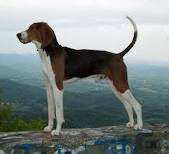
American English Coonhound Dog Breeds


The American English Coonhound, which was originally employed to hunt foxes by day and raccoons by night, is a hunter by nature that possesses excellent speed and voice.
American English Coonhound Dog Breeds
American English Coonhound


Group:Hound Group
Size:Medium
Origin:England, United states
Color:Black and White or Red and White, Blue and white-ticked, Red and white-ticked, Tri-colored with ticking
The American English Coonhound as we see the breed today would be the by-product of settlers coming for the New Planet. When these dogs came for the New Globe from overseas, they had been identified as Virginia Hounds, and were particularly bred to adapt to rougher terrain. Initially, the breed was made use of by settlers to hunt fox during the day and raccoons at night.

With regards to appearance, the American English Coonhound is actually a medium-sized dog. Their coat, which is medium-length and consists of tricky, protective hair, can are available in many different colors. These dogs can be red and white-ticked, blue and white-ticked, tri-colored with ticking, red and white or black and white.

As an AKC-recognized member from the Hound Group, the American English Coonhound is revered as each an avid hunter and an outstanding athlete.

American English Coonhound Dog Breeds

The American English Coonhound can also be identified to possess a usually kind demeanor. They're pleasant and sociable with both humans and other animals. If something, the 1 fault they could have is the fact that they will sometimes be shy.

This breed does call for a bit bit of care. Because of its roots as an avid hunter, the American English Coonhound wants to become exercised daily. Moreover, the coat does require some upkeep, though its generally minimal.

American English Coonhound Dog Breeds
American English Coonhound Dog

The moment recognized as the Virginia Hound and adapted to hunt the rough terrain and tricky raccoons of your American colonies, the American English Coonhound is renowned for his speed and endurance.

American English Coonhound Dog Breeds
American English Coonhound
 He began as a dual-purpose dog who hunted fox by day and raccoon by night. He eagerly seeks his quarry, singing out as he hunts, a trait that carries over into home life. This hound will bark. On the plus side, he's pleasant toward people today as well as other dogs. In the event you won't be hunting him, plan to provide this swift and competitive dog lots of everyday exercise in other strategies to stop him from becoming frustrated and destructive. He'd make a superb companion to get a runner.
Size
Males stand 24 to 26 inches at the shoulder; females, 23 to 25 inches. Their weight ought to be in proportion to height.
Coat, Color and Grooming
The tough, medium-length coat could be many diverse color combinations: Red and white ticked, blue and white ticked, tricolor with ticking, red and white, or black and white.

Height
General: 1 foot, 11 inches to two feet, 2 inches tall in the shoulder
Weight
Life Span: ten to 12 years

American English Coonhound Dog Breeds


Find an English Coonhound Breeder
Place an Ad
Rescue an English Coonhound
List Your Rescue
Pronunciation
-
Description
The coat of the English Coonhound is short and hard. Coat colors include: blue and white ticked, red and white ticked, tri-colored with ticking, red and white, and white and black. Excessive red or black is a fault in the show ring. Their bark sounds like a hound bawl. The tails are medium length and set high. Pleasant, alert, confident and sociable with humans and dogs.
Temperament
English Coonhounds are energetic, intelligent and active. Loving and eager to please their owners. Their great senses make them excellent hunters. This breed is an extremely fast, hot-trailing competitive type coonhound. Very devoted to its family, it makes a good companion dog. It does well living indoors and plays a fine guardian to his family and home. They are usually best with older considerate children, but can also do well with younger ones. Without proper human to canine leadership and communication some can be a bit dog-aggressive and or develpe behavior issues. They need owners who are firm, confident and consistent with an air of authority. Socialize this breed well preferably while still young to prevent them from being reserved with strangers. Do not let this breed off the leash in an unsafe area, as they may take off after an interesting scent. They have a strong instinct to tree animals. Without enough mental and physical exercise they will become high-strung.
Height, Weight
Height: 21-27 inches (53-69 cm.)
Weight: 40--65 pounds (18-30 kg.)
Health Problems
-
Living Conditions
These dogs are not recommended for apartment life. They are very active indoors and do best with acreage.
Exercise
English Coonhounds need extensive daily running to be happy. They need to be taken on a daily, long, brisk walk or jog where the dog is made to heel beside or behind the human holding the lead, as in a dog's mind, the leader leads the way. They can become high strung and or destructive if they are lacking in exercise and or structure . They may take off after any interesting scent, so do not take the English Coonhound off its leash unless you are in a safe area.
Life Expectancy
About 11-12 Years
Grooming
The short, hard coat is easy to care for. Comb and brush with a firm bristle brush, and shampoo only when necessary. This breed is an average shedder.
Origin
It has been said that the history of the English Coonhound is the history of all coonhounds. With the exception of the Plott Hound, most coonhounds can be traced back to the English Foxhound. In 1905 the English Coonhound was first registered by UKC under the name of English fox & Coonhound. Back then they were used for fox hunting much more than they are today. The name reflected the similarity that the breed had to the American Foxhound and the English foxhound. While the Redbone and Black and Tan were given separate breed status, all other treeing coonhounds were called English after the turn of the century. These included both the Treeing Walker Coonhound and the Bluetick Coonhound. They were considered all the same breed. It was the variation in color which separated them. The heavily ticked dogs split off from the English and the Bluetick Coonhound was recognized as a separate breed in 1945. In 1946 the tricolored hounds separated into the breed called Treeing Walker Coonhounds. Though redticked dogs predominate, to this day there are still tri-colored and blueticked English hounds. The English Coonhound was bred to adapt to the rougher American climate and terrain. An English named "Bones," owned by Colonel Leon Robinson, won one of the first National Coonhound Championships. The breed is still used by practical hunters and competitive hound owners throughout the USA.
Group
Hound
Recognition
APRI, UKC, UEBFA, DRA, NAPR


American English Coonhound Dog
American English Coonhound Doghttp://dogandcat1.blogspot.com/2012/04/american-english-coonhound-dog-breeds.html


Dog BreedAmerican English Coonhound
Common NicknamesRedtick Coonhound
Origin
United States
Description"Renowned for his speed and endurance, the American English Coonhound has the strength, grace and attitude of a well-conditioned athlete. Capable of hunting fox and raccoon all night long, he has an effortless trot that shows off this endurance."
Description SourceDescription Source (akc.org)
Color
Brown
Red
Coat
Short Coat
Grooming and Shedding
Minimal Shedding
Minimal Grooming
Group (Of Breed)Hound
Compare Hound Dogs
Additional Information
TemperamentCompare by Temperament
Loyal
Social
Cheerful
Hypoallergenic BreedNo
Good (with Children)Yes
Sabtu, 16 Juli 2011

Strategies for Training Adult Canines

Training
Training


Need to coach your new puppy or modify an unwanted habits with your puppy? Learn about quick tactics to help you you with unique education scenarios from straightforward property instruction and essential obedience to tricks to far more difficult conduct modification. Our content articles can help you acquire or boost your dog-training skills and ability. Remember: endurance and favourable reinforcement will goes an extended way.

The best way to Practice A Puppy:
Step-by-Step Puppy Instruction Checklist


The arrival of the new puppy is an exciting time for any home. Your cute and cuddly tiny fluff ball will instantly command center phase through the full relatives. Just before extended though, it will become pretty very clear the new arrival suggests there is plenty for you personally to complete, and also a lot more for him/her to learn. Puppy teaching must leading your checklist of priorities.

Your young puppy is completely reliant and dependent on you to aid him habituate and in shape into our human, domesticated earth. Your advice and leadership will decide what path his daily life normally takes and which kind of dog he will develop into. For the duration of puppyhood you perform the lead part and so are accountable for shaping the character, temperament and conduct routines

The way to Teach A Puppy - It can be Not All Enjoyment And Video games!

It shocks some new puppy entrepreneurs when their puppy acts like, effectively a puppy. The small critter is often a pooping machine who chews, barks, digs, cries and considerably much more! But we even now really like them anyway - we just ought to give them with some course and boundaries to adhere to.

If you are anything at all like me you probably just choose to get your puppy off for the most effective achievable start off in life, and in addition arranged them approximately thrive as grownup canines. Early puppy socialization and puppy education will be the keys on your success for a puppy operator.

Bringing a young pup into our lives can be a huge responsibility and dedication to fulfill. Our puppies have a very very long list of conditions and deadlines that will need to be fulfilled for their well-being and longevity. Duties like puppy house schooling, crate teaching, puppy socialization, leash teaching and fundamental obedience ought to be addressed correct from the very get started.
The best way to Train A Puppy - The Optimistic Non Violent Way
It's crucial with all puppy schooling but in particular with younger puppies to work with tons of encouragement, praise and rewards (constructive reinforcement) inside your teaching. Start off your puppy coaching sessions when your minor puppy arrives at your home - it is really never also early. Set your puppy as much as thrive, concentrate on developing appealing habits as part of your puppy and stopping undesirable conduct. It's a lot a greater alternate to put your puppy on the suitable path from your start off, quite than seeking to proper set up problem behaviors afterwards on.

Preserve your teaching periods limited, consistent and usually have a good time. The key to shaping your puppy's conduct is always to start out out with pretty quick instructions, continue on to produce on these successes and apply heaps of repetition. Base your puppy education periods close to rely on and mutual respect relatively than aged school techniques centered on punishment, avoidance and harsh corrections. During this setting you'll discover that your puppy loves his instruction periods and his self esteem will increase with each and every last session.

Always don't forget that you're managing a very immature young animal. Be sensible, flexible, patient and usually honest through puppy training periods. Your puppy will not just instantly know this things! It is really all new to him and he's bound to possess the odd slip up and mistake along the best way. Do not be troubled about these problems, just transfer on and do your ideal to prevent them later on.

Like this superb time inside your dog's daily life. His puppyhood would be the time where you'll lay the groundwork on your puppy's everyday living. It really is also in which you'll develop, create and strengthen the special bond you'll share using your canine for everyday living. 


10. Strategies for Training Adult Canines

The older cliché states you can't instruct an outdated dog new methods, but with patience, confidence and repetition, training adult dogs might be a exciting and satisfying undertaking for your proprietors as well as the animals. At animal shelters, senior dogs are sometimes euthanized since they aren't desired but, with education, all canines of any age or breed generally is a wonderful addition towards the household.
10 Tips for Instruction Grownup Dogs
  1. Praise, praise, praise - Use treats, verbal praise and petting to praise a puppy that exhibits suitable conduct. Any time a canine has adopted a command and it is relaxed and calm, offer some form of deal with or optimistic encouragement to reinforce very good routines with rewards. Only give rewards right away soon after superior conduct or the canine will not likely comprehend why he's obtaining a handle.
  2. Certainly not hit a canine - Using bodily violence is certainly not the response to a canine that may be misbehaving. Not simply is this unpleasant to the animal but can set off aggression and make negative behavior even worse.
  3. Start off with common commands like you'll with a puppy for instance sit, keep, arrive and down.
  4. Be steady - Proceed obedience instruction just about every day and stay with your selected method rather than switching all over this means you do not confuse the dog. Also, be constant while using instructions you use but certainly not repeat command phrases. If you're puppy won't listen to 'sit' the 1st time, will not repeat the phrase. Instead, try out once more afterwards right until he learns the command and provide a deal with when he performs accurately.
  5. Keep calm - A relaxed but company proprietor will lower anxiousness and worry in lots of canines as well as talk evidently and efficiently.
  6. Continue to keep members of the family committed: Dedication is essential in regards to instructing an older dog obedience instruction. In the event you are committed to your right behavior but your loved ones members are letting the canine operate wild, all your time and electrical power could be wasted. Visitors really should also bear in mind of any policies to your puppy, like a ban on table scraps or leaping on couches, to stop any lousy routines from continuing.
  7. Make time - Dedicate at the very least 15 minutes every day to puppy schooling. An adult canine includes a for a longer time attention span than a fresh puppy and can like dog coaching periods for lengthier stretches of time.
  8. Keep energetic - Physical exercise is actually a excellent outlet for an energetic puppy and may protect against him from turning into distracted if he is had a chance to operate all around and perform prior to training.
  9. Walking - This really is a person terrific method to continue to keep a dog energetic and stimulated. Stay in manage by utilizing a short leash and beginning out with modest walks until finally the canine is behaved and cozy to the leash.
  10. Lessons - Think about signing up for the puppy obedience class. They are commonly provided for all types and ages of canines and are a great technique to socialize your puppy while also training him.


3 Preferred Approaches for Potty Coaching a Puppy

You can find lots of tactics for efficiently potty teaching a puppy. Remember that potty instruction will take time and hard work, irrespective of which strategy you employ.
Crate Schooling

Crate coaching is just about the hottest solutions employed to potty practice a puppy. This process is very profitable when utilized appropriately. You will need to acquire a crate that has adequate space to your puppy to lie down on his facet, however , you will not want it to be massive ample for him to generate a “bedroom from the front, bathroom within the back” scenario. You'll want to crate your puppy after you are usually not supervising him. He shouldn't be left within the crate any longer than an hour per 30 days of age (i.e. two month old puppies need to be used out each two several hours). Don't give your puppy absolutely free use of meals and h2o inside the crate. Allow him to consume his fill whenever you let him from the crate, and feed him on the common agenda. Be certain that he is authorized to go potty following drinking, ingesting and napping. It's possible you'll want to arranged a timer to remind you that it's time to give your puppy h2o and consider him out to potty.
Potty Pads

Occasionally working with potty pads is the most sensible process for potty coaching a puppy. To teach your puppy to implement potty pads, restrict the spot the puppy has access to while you usually are not supervising him. You could possibly wish to gate off a laundry space or bathroom. Location his mattress and toys inside the place and position a potty pad a few ft away. Once you observe him using the potty pad productively, praise and reward him for engaging in so.
Utilizing a Dog Door to Potty Coach a Puppy

Education a puppy to implement a puppy door successfully will necessitate restricting his play place until he will get used to employing it. Build a gate or exercising pen to confine him within a space in the vicinity of the door. Introduce the canine door by taping the flap up and giving your puppy treats for going as a result of it. After he comes out willingly, you may then lessen the flap. Go outdoors and phone your puppy, after which it reward him when he exits throughout the dog door. Just take him for the spot which you want for him to relieve himself. Praise and reward him for accomplishment. This strategy to potty coach a puppy is practical, but normally requires some time. Don't presume that he knows wherever the door is and can be able to get it on his own when left unattended. Limit his natural environment for at the very least two months for the duration of this training, and gradually make it possible for him to have extra freedom.
Practices in order to avoid

Negative coaching procedures for instance rubbing your puppy’s nose in his potty accidents, shouting and “spanking” him will only frighten and confuse your puppy. These practices will result in setbacks when potty teaching a puppy, and make long term instruction much more difficu

6.Canine Potty Schooling Methods In comparison
There are numerous canine potty coaching strategies you could use to residence teach your recently acquired puppy. Since puppies can not maintain urine inside bladder to get a prolonged time period, they frequently urinate in destinations all around the home. Most puppies consider a while to become potty skilled, so you should be affected person and reinforce beneficial habits when it happens. It's best to also follow some of the commonly utilised potty instruction procedures to obtain brief outcomes.
1. Paper Education

To be able to utilize this process to potty coach your pet, you can should put a number of papers and pre-treated pads to motivate the puppy to urinate on them. Keep track of your pet and swiftly put him about the pre-treated pad for those who imagine he's about to urinate.
2. Crate Training

Numerous pet entrepreneurs use this method of potty education because it teaches the pet not to urinate inside of the house. It's essential to make sure that you consider your puppy outdoors in advance of placing him inside of the crate and in addition just after letting him out of it. Stay away from maintaining the pet within the crate for greater than 5 several hours for the duration of the day, and give him a number of toys to maintain him busy.
3. Near Supervision

In the event you pick out not to utilize the paper education or crate education strategies you can have to carefully monitor your pet and get him out the moment he begins to sniff the floor or walk all around in an make an effort to urinate. Reinforce good conduct by praising the pet after he urinates outside. The puppy need to understand that he is becoming taken outdoors to urinate and not for perform or training.
four. Self-discipline

In the event you catch your puppy urinating inside of the house use a firm 'No' to self-discipline him. Stay clear of physical punishment because it only scares the pet and confuses him. You should instead reinforce beneficial habits by praising your pet and offering him a deal with if he urinates exterior.
5. Feeding Routine

You could potentially also just take your pet outside 50 % an hour soon after he has eaten. Most pets are prone to urinate inside of thirty minutes following they have consumed meals. Having said that, it truly is very best to watch the pet and consider him outside usually to ensure he will get trained promptly.
6. Verbal Instructions

You need to also teach your pet to hear in your commands. During this method you can notify him to go exterior when he wishes to urinate. In unusual cases, pets could stand with the door once they choose to go out. But this conduct is usually observed in grownup dogs. As soon as outside you may also utilize the term 'Potty' a few times to ensure the dog associates the term 'Potty' with you taking him outdoors.
Comparison of Methods

Even though the paper teaching strategy is effective, canines occasionally figure out how to urinate within the house simply just since the papers and pads are put inside of the home. You must slowly put these towels and pads nearer to the door as a way to train the pet. When it can be best to closely supervise your pet and steer clear of confining him inside a crate, it can be important to maintain a crate useful if you want to leave your pet alone in your own home for just a small though. Dog's never like urinating on their bedding and will hold their urine till their care takers return. Verbal commands function correctly when utilized in blend with other strategies.

For a pet proprietor, you need to be affected person when instruction your pet. It is best to also use other habits teaching approaches to obtain rid of terrible habits.

Strategies for Training Adult Canines
Sabtu, 25 Juni 2011

5 Wellness Faults Canine Proprietors Make

5 Wellness Faults Canine Proprietors Make

5 Wellness Faults Canine Proprietors Make
You wish the ideal in your canine -- your pooch is your ideal friend, right after all. Nevertheless sometimes, pet owners who indicate effectively make serious faults, especially when it comes towards the wellbeing of their dog.

Will you be on the perfect track to help keep your puppy in top rated shape? Me went to veterinarians to discover the most typical wellbeing mistakes canine proprietors make and get their tips on how to prevent them.
Puppy Well being Mistake one: Not Receiving Preventive Care
Neglecting preventive health treatment is by far the most common blunder puppy entrepreneurs make, in accordance to your veterinarians we interviewed.

"Taking your puppy in to your vet for typical examinations, providing heartworm prevention, and obtaining your puppy the right vaccinations and dewormings can reduce lots of ailments," states Adrianne Brode, DVM, CCRP, affiliate medical director at the Canine Well-being Institute in Houston. For instance, heartworm illness is often hard to treat and in the long run fatal to dogs, but it truly is quickly preventable.

Yearly exams enable your vet catch problems early, according to Oregon veterinarian Marla J. McGeorge, DVM. Instead of coping with lengthy therapy of an state-of-the-art or persistent issue, your vet can catch issues at their starting stages, when treatment may well signify heal. And early treatment saves you cash while in the extended run.

Whilst annual exams may perhaps coincide with essential vaccinations, just obtaining your canine vaccinated just isn't the identical as being a total bodily examination. Between other factors, a complete checkup might contain:

Blood operate
A fecal examination for intestinal parasites
Examination of the dog’s gums, heart, lungs, teeth, eyes, and ears

Converse to your veterinarian to understand more.
Puppy Wellness Error two: Neglecting Dental Care

Neglecting typical dental treatment can also be frequent, according to Shawn Messonnier, DVM, writer from the Natural Well-being Bible for Canines and Cats. Dogs want dental treatment for the very same cause we do: to stop gum ailment.

As on human teeth, plaque sorts on a dog's teeth soon after consuming. If left by yourself, the plaque builds, causing inflammation, decay, and gradually bone and tooth reduction. And though this silent war goes on in your own dog's mouth, she’s in all probability experiencing anguish you do not detect for the reason that canines, like cats, instinctively hide pain.

Gum ailment is actually five times as typical in canines as in folks. But it can be easy to prevent and to handle with dental care that includes:
  • Day-to-day brushings
  • Very good top quality foods
  • Ordinary oral X-rays, exams, and cleanings
  • Protected, teeth-cleaning treats and chew toys

Dog Wellbeing Mistake three: Overfeeding
If too much love is actually a poor issue, it is actually when we demonstrate it to our canine companions in the type of too many delicious treats.”Rewarding and loving our canines with meals leads to obesity," Brode states. Chubby or obese canines are at increased threat for arthritis and other orthopaedic troubles, and also other wellness issues.

It may be difficult adequate to harmony our unique diets, much significantly less that of our canines. So talk to your vet, who will help you select a great, high-quality foods for the puppy and present you with tips on work out and treats. Which is perfect -- you do not ought to halt sharing occasional goodies together with your pooch, providing 90% to 95% of the dog's diet plan is healthy and effectively balanced.
Puppy Health Mistake four: Sharing Medication

Yet another dangerous well being mistake proprietors make is giving dogs human medications. "Pain medications like Advil or Tylenol might be incredibly toxic to canines," Brode tells WebMD. Actually, there's a host of seemingly benign human medications that will pose grave well being hazards for pets.

Non-steroidal anti-inflammatory medicines (NSAIDs), this sort of as ibuprofen, will be the most common result in of pet poisoning in small animals, according for the ASPCA. Even compact doses might be toxic. Antidepressants, muscle relaxers, decongestants, vitamin D derivatives, oral diabetes treatment plans, together with other frequent human medicine can all pose challenges to pets, from seizures to coma to dying.

Often maintain medication protected -- preferably within a large, locked cabinet -- and never discard medicine wherever pets or children can get to it. If you are nervous that your puppy may possibly have gobbled up an over-the-counter or prescription capsule you dropped -- or even worse, taken an entire bottle from your trash -- will not hesitate. Without delay get in touch with the Animal Poison Command Center 24-hour hotline at (888) 426-4435.
Canine Wellbeing Error 5: Delaying Important Treatment

We regularly delay clinical care for ourselves, waiting around for a bump, discomfort, or rash to go away. So it might appear to be healthy to perform the same thing with our canine.

There is an issue with that, however: Canines will not have the words to allow us know exactly what they're experience. Your canine companion may be in discomfort, sick, and even gravely unwell -- and likelihood will you be wouldn't realize it mainly because of dogs’ instinct to conceal infirmity.

Never wait to find out if a wellness dilemma inside your canine gets better on its private. Call your vet in case your puppy is not ingesting or is ingesting significantly less, vomiting, lethargic, has diarrhea or fever, or perhaps isn't going to appear effectively.
Kamis, 02 Juni 2011

Acute Painful Abdomen In Dogs

Acute Painful Abdomen In Dogs
An acute painful abdomen is an emergency that may well lead to death of the dog unless treatment is started at once. The signs of an acute abdomen are the sudden onset of pain, together with whining and crying, retching and vomiting, extreme restlessness and inability to come across a comfortable position, grunting, and labored breathing. The abdomen is highly painful when pressed.

Peritonitis in Dogs
Painful Abdomen in Dogs

Peritonitis is usually associated with acute abdominal discomfort because of the sudden inflammation of the abdominal tissues, or peritoneum, hence the name for the condition. This causes fluid to shift into the peritoneal cavity, leading to severe dehydration and electrolyte imbalance. Peritonitis could be because of infectious causes which include the stomach flu or non-infectious causes such as a hernia.

Even though younger dogs tend to have acute abdomen on account of infectious and traumatic causes, malignant cancers are extra generally the cause of acute abdomen in older dogs. It's critical to decide the underlying trigger of the acute abdomen as your veterinarian may perhaps have to perform emergency surgery to resolve it.


Symptoms and Types
  • Lethargy
  • Trembling
  • Crying, Whimpering
  • Abnormal posture (i.e., may well be "guarding" the stomach by curling up, or leaning forward with back end higher in attempt to relieve discomfort)
  • Heavy breathing
  • Swollen abdomen (may perhaps be rigid to the touch
  • Diarrhea, which might be black (also referred to as melena)
  • May possibly have vomiting if the stomach or intestines are involved


Causes
Infectious Causes
  • Holes inside the dog's stomach lining
  • Viruses of the stomach or intestinal tract
  • Feline infectious peritonitis virus
  • Viral enteritis (stomach flu)
  • Parasites of the stomach or intestines
  • Bacterial infection of the uterus
  • Abscesses of the liver, spleen, and/or pancreas

Non-infectious Causes
  • Tumors
  • Cancers
  • Poisoning
  • Congenital Defects
  • Trauma to the abdomen, possibly involving rupture of organs (hernia)
  • Rupturing of the ureters (tubes which carry urine), bladder or of a pregnant uterus
  • Congenital hernia causing entrapment of organs
  • Obstruction of the urethra or ureters
  • Kidney or gallbladder obstruction (e.g., calculi deposits)
  • Gastric dilation and volvulus


Diagnosis

Your veterinarian will want a complete medical history to begin to identify what exactly is causing the acute abdomen. The history you give could give your veterinarian clues as to which organs are causing the sudden abdominal pain. He or she will also perform a complete physical examination to see if the pain is truly inside the abdomen and not the kidneys or back. If your dog has a swollen abdomen, your veterinarian will use a fine needle to withdraw a few of the fluid from the abdomen to send to the laboratory for analysis.

A complete blood profile will be conducted, which includes a chemical blood profile, a complete blood count, an electrolyte panel along with a urinalysis. Your veterinarian may also use a syringe to take urine from your dog to be sent to a lab for examination.

Your veterinarian will have to use visual diagnostics to examine the abdomen internally. X-rays and ultrasound are going to be utilized to locate the source of the disturbance inside the abdomen. If your dog is young (still a puppy) a parvovirus blood test may possibly also be given.

Characteristically, the dog may possibly assume a prayer position with his chest to the floor and his rump inside the air. As the condition worsens, the dog's pulse becomes weak and thready, the mucous membranes turn out to be pale, and the dog goes into shock.

For those who see any of these signs, call your veterinarian at once! Early surgical intervention is life-saving.

One of the following conditions might be the trigger of acute abdomen:
  • Bloat
  • Urinary stones obstructing the bladder
  • Trauma to the abdomen with internal injury
  • Rupture of the bladder
  • Poisoning
  • Rupture of the pregnant uterus
  • Peritonitis
  • Acute pancreatitis
  • Intestinal obstruction
  • Twisting of the intestines
  • Veterinarians will tell you that a dog with Bloat or any other type of acute abdomen is critically ill and ought to have immediate veterinary attention.
Sabtu, 21 Mei 2011

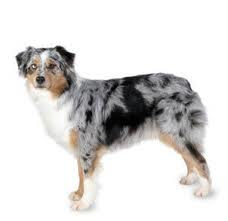
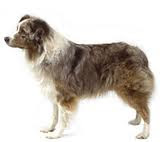
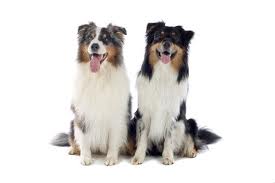
Type Of Dogs Australian Shepherd - Dog Breed Info


Australian Shepherd 101  - Dog Breed Info
Australian Shepherd
Personality:

The Australian shepherd tends to make for "a delightful and loyal companion as well as a fantastic family members dog," based on the Usa Australian Shepherd Association (USASA). The American Kennel Club (AKC) concurs, citing the Aussie's tendency to "want to normally be near their households The AKC also describes the Australian shepherd as "energetic" and possessing "strong herding and guarding instincts."
Grooming:
Australian Shepherd Breed


Potential health concerns for Australian shepherds contain hip dysplasia, thyroid dysfunction, epilepsy, and allergies. In accordance with the USASA, "Aussies can inherit a variety of eye defects which impair vision in varying degrees or result in complete blindness.
Coaching Suggestions:

In accordance with Aussie Rescue and Placement Helpline Regional Coordinator Michelle Force, it really is vital to understand that "Aussies have each herding and guarding instincts, and might perceive going to children, joggers or autos as issues that will need to be physically controlled." This, Force tells Paw Nation, "can result in unsafe conditions for the dog and others." Force recommends that, keeping the breed's working instincts in mind, trainers will need to employ "encouraging and consistent leadership," stressing that Aussies do not respond well to harsh therapy.
Best Animal/Owner Match:

The good owner for an Australian shepherd is "someone who is physically active and serious about training and spending quite a bit of time with their dog," Force tells Paw Nation. Due to the fact Aussies are typically high-energy dogs, it really is very best if they're paired with owners who can match that energy, or a minimum of direct it into a positive outlet. That's why Force recommends activities like "fly ball" and "trick training" for Aussies that have specifically active temperaments. According to the USASA, "One with the most frequent causes Aussies are turned over to rescue groups is since their owners didn't understand how much energy the breed has, and weren't willing to channel that energy by way of coaching."
What Australian Shepherd Owners Say:
Australian Shepherd Dog Breeds

Paw Nation Facebook buddy Erin Watzek-Valenti says of her Australian shepherds, "I have two Aussie shepherds and really like them. I wouldn't quit my two for something!"

The Australian shepherd is actually a breed of herding dog that was developed on ranches inside the Western United states. In spite of its name, the breed, typically referred to as an Aussie, did not originate in Australia[2] They acquired their name for the reason that some of the Australian sheepdogs arrived in the United states with boatloads of Australian sheep.[3][4] The breed rose gradually in recognition using the boom of western riding just after World War I. They became acknowledged towards the general public by way of rodeos, horse exhibits, and through Disney movies produced for tv.
Australian Shepherd - Dog Breed Info


For lots of years, Aussies have already been valued by stockmen for their inherent versatility and trainability. When they continue to operate as stockdogs and compete in herding trials, the breed has earned recognition in other roles on account of their trainability and eagerness to please, and are very regarded for their skills in obedience. Like all working breeds, the Aussie has considerable power and drive, and typically requirements a job to complete. It normally excels at dog sports for instance dog agility, flyball, and frisbee. They are also very successful search and rescue dogs, disaster dogs, detection dogs, guide, service, and treatment dogs.

Appearance

The Aussie is often a medium size dog, acknowledged for its natural bob or docked tail. The Aussie is an active herding breed, ordinarily very very good around other pets and familiar individuals, but could be reserved around strangers. They're a loyal, loving breed who choose the close companionship and firm of their owners. The breed is double coated and for this reason features a tendency to shed year round and more so in the course of fall and spring as they transform out coats.
Size

The Australian shepherd can be a medium sized breed of solid make. The ASCA normal calls for the Australian shepherd to stand amongst 18-23 inches in the withers, females becoming 18-21 inches and males measuring 20-23 inches, however, quality isn't to be sacrificed in favor of size.

Aussie colors are black, red (occasionally called liver), blue merle (marbled black, white and gray), and red merle (marbled red, white and buff); each of these colors could also have copper (tan) points and/or white markings in numerous blend on the face, chest, and legs. A black or red dog with copper and white trim is referred to as tricolour or tri, a black or red dog with white trim but no copper is named bicolor or bi. White, instead of pigment, on or across the ears is an indicator of elevated risk for white-related deafness. Excessive white on the face and ears can place a person dog at higher threat for sunburn and subsequent skin cancer.

The wide variation of colour combinations comes from the interaction in between the a color allele, which can be either black (B) dominant or red (b) recessive, along with the dominant merle allele (M). Collectively, these offer 4 coat-color elements which can seem in any blend

Black, with tan points and/or white markings on the face, collar, legs, chest, underbelly. Solid black dogs are equally desirable as ones with tan and/or white.
Red (Liver) with or with out tan points and/or white markings on the face, collar, legs, chest, underbelly. Either white or tan points are expected. Solid Red dogs are equally desirable as ones with tan and/or white.
Blue Merle (a mottled patchwork of gray and black) with or without tan points and/or white markings on the face, collar, legs, chest, underbelly. Neither white nor tan points are essential. Solid Merle dogs are equally desirable as ones with tan and/or white.
Red Merle (a mottled patchwork of cream and liver red) with or devoid of tan points and/or white markings on the face, collar, legs, chest, underbelly. Neither white nor tan points are expected. Solid Merle dogs are equally desirable as ones with tan and/or white.

The merle allele, which produces a mingled or patchwork combination of dark and light areas, will be the coat pattern most normally associated using the breed. This merle (M) is dominant in order that unaffected dogs (Mm) show the pigmentation pattern; nevertheless, when two merles are bred, there exists a statistical danger that 25% with the offspring will end up with the two copies with the merle gene (homozygous). These dogs usually have a largely white coat and blue irises, and are frequently deaf and/or blind. In this case, the deafness and blindness are linked to getting two copies with the merle gene, which disrupts pigmentation and produces these well being defects

All black and blue merle dogs have black noses, eye rims, and lips. All red and red merle dogs have liver or brown noses, eye rims, and lips.

There is certainly also wonderful wide range within the Aussie's eye color. An early nickname for the breed was "ghost-eye dog". Aussie eyes could be any shade or hue of brown, or blue; they could have two distinctive colored eyes, or even have bicolored or "split eyes" (by way of example, a half-brown, half-blue eye), which appear to be linked for the merle coloration. Merled eyes occur as well, exactly where 1 color is mixed in and swirled with another. Any combination of eye color is acceptable within the breed standard, so lengthy as the eyes are healthy. In basic, on the other hand, black Aussies (self, bi-color or tri-color) often have brown eyes, while red (self, bi-color or tri-color) Aussies tend to have amber eyes, even though these Aussies may also carry the blue eyed gene.
 Tail
Australian Shepherd Breed
Australian Shepherd - Dog Breed Info

A hallmark of the breed is really a docked/bobbed tail in nations exactly where docking is permitted. Some Aussies are born with naturally short bobbed tails (NBT), other people with complete long tails, and others with organic partial bobs, where the tail is midlength and seems stubby. Breeders have historically docked the tails when the puppies are born. Even not having a tail, the wagging movement with the hind end nonetheless occurs. Inside the United states and Canada the common calls for a organic bob or docked tail not to exceed four inches as a defining characteristic, having said that some long tailed examples have been effectively shown and been given recognition regardless of obtaining a longer tail. Any natural tail length is permitted when showing in Europe, where docking has been banned.
Temperament

The breed is usually very energetic, requiring an awesome deal of physical exercise and attention. Sometimes they're able to be calm and easy-going. An Australian shepherd enjoys functioning, whether it truly is discovering and practicing tricks, competing in dog agility, or engaging in any other physically and mentally involving activity.
Dogs may perhaps show reserved and cautious guarding behaviors. They're sort, loving, and devoted to these they know. They're incredibly loyal to their owners, and are rewarding dogs if treated nicely.[8] Simply because the breed was developed to serve on the ranch, a job which consists of being protective of its property, it is inclined to bark warnings about neighborhood activity, but it isn't an obsessively barking dog.

The Aussie is intelligent, learns swiftly, and loves to play. This implies that a bored, neglected, unexercised Aussie may invent its personal games, activities, and jobs, which to a busy owner may well seem to be hyperactivity: for instance, an Aussie may perhaps go from becoming at rest to operating at best speed for quite a few 'laps' around the home prior to returning to rest. Without having a thing to amuse them, Aussies can become destructive. Aussies also do greatest with a lot of human companionship: they are frequently known as "velcro" for their powerful desire to constantly be close to their owners and for their tendency to type intense, devoted bonds with decide on persons.
The Australian shepherd has a reputation as a very intelligent and versatile stock dog having a range of working types. A superb operating Aussie is swift, thoughtful, and uncomplicated with its stock. The capacity for the breed to adapt towards the predicament and assume for itself makes it an fantastic all-around worker. For this cause the Aussie is typically selected to operate unusual livestock such as ducks, geese, and commercially raised rabbits.
Australian Shepherd dog

Australian shepherds can develop into highly destructive if their power just isn't directed in a positive way. These dogs require a minimum of 2-3 hours per day of play, physical exercise, and focus. The dogs thrive in rural, ranch like circumstances, and need to have space to run and play in an urban setting. The Australian shepherd is really a high spirited dog, that needs considerably attention and function. Teaching them tricks keeps them focused and delighted, which also keeps their thoughts operating. The breed also has great stamina and can live in a range of terrain. That's why they're a common pick as trail dogs and operating dogs.
Well being

There are actually various wellness complications that an Australian shepherd can inherit, including back, hip, and vision difficulties. Epilepsy can also be a concern. In merle to merle breeding, the puppies who have inherited two copies of the merle gene have an increased threat of getting born blind, and/or deaf.
 Mortality

Results of a 1998 online survey with a sample size of 614 Australian shepherds indicated a median longevity of about 12.five years, but that longevity could be declining. A 2004 UK survey found a considerably shorter median longevity of 9 years, but their sample size was reduced (22 deceased dogs).
The median life spans for breeds comparable in size to Australian shepherds are largely amongst 11 and 13 yrs, so, assuming the outcomes with the UK study usually are not representative with the population there, Aussies appear to have a standard life span for a breed their size. Top causes of death inside the UK survey had been cancer (32%), "combinations" (18%), and old age (14%).
 Morbidity

Based on a sample of 48 still-living dogs, by far the most frequent health concerns noted by owners had been eye issues (red eye, epiphora, conjunctivitis, and cataracts). Dermatological and respiratory difficulties also ranked high.

Collie eye anomaly (CEA) and cataracts can be a concern  in Aussies. Other situations of note incorporate iris coloboma, canine hip dysplasia (CHD), Pelger-Huet syndrome, hypothyroidism, and nasal solar dermatitis. Before breeding, the Aussie should be checked for Hip and Elbow Dysplasia, DNA tests carried out to show the dog to be no cost of the MDR1 mutation, cataract mutation, and CEA. Tests really should also involve those for thyroidism and clearances for other recognized eye ailments like colobomas, PRA and retinal folds.

Some Australian shepherds (as well as collies, German shepherds and many other herding dogs) are susceptible to a genetic mutation with the MDR1 gene. Dogs with the mutation can endure toxicity from anti-parasitics for example Ivermectin in high doses, as well as other drugs. A test is obtainable to identify if a particular dog carries the mutated gene.

Double Merle

Double merling or homozygous merle happens when the resulting offspring of two merled parents inherit two copies with the dominant merle gene.] Double merles are often mostly white and can have hearing and vision challenges because of acquiring two copies of the merle gene. Homozygous merles might be deaf, blind, express iris colobomas and microphthalmia. Not all homozygous merles are affected, but most are, generating the breeding of two merles a really touchy topic. Breeders will either euthanize largely white pups or in the situation of poorly qualified breeders, sell them as "rare" white Aussies not having disclosing the prospective for health defects. A large percentage of homozygous merles sold ultimately end up in rescue and shelters because the common family is ill ready to take on a deaf and/or blind pet. On the other hand, deaf and/or blind Australian shepherds can make superb pets provided a property prepared for their unique needs. The term "lethal white" is incorrectly employed when referring to Australian shepherds which are born double merle, it is actually actually a term referring to the Lethal white syndrome that impacts horses.
Offered Wellness Tests

Many diagnostic tests are obtainable for concerned Aussie owners, to verify the general well being of an Aussie. Also, the Orthopedic Foundation for Animals (OFA) has an extensive database to track results and present statistics for the following issues: hips, elbows, heart, patellar luxation (knees), and thyroid (autoimmune) disease. The OFA database also consists of the final results for eye exams performed by a Canine Eye Registration Foundation (CERF) veterinarian, but only if the owner of the Aussie submits the results. This database is a fantastic resource to investigate the lineage and connected well being of the progenitors of some dogs, not less than relating to hip ratings.

A lot of tests have been developed by, or are processed at, laboratories to examine for the 11 well being concerns that plague the Australian shepherd breed. Some of those labs are Optigen, Animal Wellness Trust, Endocrine Diagnostic Center, Animal Well being Laboratory, Washington State University Veterinary Clinic, Vet DNA Center, and HealthGene. These labs may well perform 1 or a lot of with the tests which have been created.

Tests or evaluations have already been created for:
  • Hip and Elbow Dysplasia,
  • Patellar Luxation (knees),
  • Eyes,
  • Collie Eye Anomaly (CEA)
  • Progressive Retinal Atrophy (PRA) Thyroid (Autoimmune) - Multiple labs perform this test-check OFA application for list,
  • Congenital Cardiac (heart),
  • Multi Drug Resistance Gene (MDR1)Hereditary Cataracts (HSF4), and
  • Pelger Huet

Other places which can be at the moment not wellness issues, but tests have been created for, are:
Coat Color (red carrier/red factored) - Vet DNA Center and HealthGene course of action this sample,
Dilute Gene Carrier - Vet DNA Center and HealthGene procedure this sample

DNA testing to either certify parentage (CP) or to verify parentage (VP) for Australian shepherds is also one more test which can be performed and as of January 2010 all adults creating a litter will likely be expected to be DNA tested to let a breeder to register a litter with all the Australian Shepherd Club of America (ASCA)[5].

There exists a list of expenses, labs, applications, and samples needed for the above tests at Pure Stock Aussies

Dogs101 Australian Shepherd Videos :

Rabu, 11 Mei 2011

Pets Within Your Bed

Pets  Within   Your   Bed
Pets within your Bed

Scientists in California claimed that letting pets into the bed increases the probabilities of contracting the a lot more than 100 illnesses that are known to be transmitted from domestic pets to humans.

Serious diseases which is usually caught from animals consist of chagas illness, which can trigger life-threatening heart and digestive process disorders, and cat-scratch illness, which can also come from being licked by infected felines, and can trigger lethal damage to the liver, kidney or spleen.

Not long ago a nine-year-old boy in Arizona caught the plague mainly because he slept with his flea-infested cat, based on the report published within the US Centre for Disease Manage and Prevention journal "Emerging Infectious Diseases."

Bruno Chomel, a professor in the University of California school of veterinary medicine, and who co-authored the study, stated: "In several nations, pets have come to be substitutes for childbearing and child care, from time to time leading to excessive pet care.

"There are private spots inside the household, and I think our pets need to not go beyond subsequent for the bed. Having a stuffed animal within your bed is fine, not a true one."
"We needed to raise the attention of persons, as sleeping having a pet is becoming fairly common, and you'll find risks related to it, even if it can be not really frequent," he added.

Inside a latest study as much as 62 per cent of cat owners stated their pets slept either on or in their beds.
"Pets sleep among us, below the covers, with his head on the pillow," Endrick says. "He believed he was human."


Sleeping with pets is not unusual in this country. In line with a latest survey of pet owners by the American Pet Items Association, virtually half of dogs sleep in their owner's beds. The survey found that 62% of tiny dogs, 41% of medium-sized dogs and 32% of huge dogs sleep with their owners.

The survey also found that 62% of cats sleep with their adult owners, and yet another 13% of cats sleep with kids.


So is it healthy to have your dog sleeping inside your bed? Derek Damin of Kentuckiana Allergy, Asthma & Immunology in Louisville, Ky., says people who suffer from pet allergies or asthma should not sleep with their dog or cat or even allow them in the bedroom.

"Use a HEPA filter and maintain them out of the bedroom to give your nose a few hours a day to recover," Damin says.

But Damin says most pet lovers won't kick Fido out of bed, even if they discover their pets are causing allergy problems. For those people he recommends allergy shots to build up a tolerance to the pet dander that causes allergic reactions.

"But if you're not allergic, there's really no big issue with having a dog in the bed," says Damin, who for years shared his bed with his miniature dachshund. "It's fine as long as it doesn't disturb your sleep."

Snoring, Kicking, Cover-Hogging Pets

Which brings up a different problem with sharing your bed with a pet - they can disturb your sleep. A study released by the Mayo Clinic Sleep Disorders Center found that about half the patients in the study had a dog or cat, and 53% of those pet owners said their pets disturbed their sleep in some way nightly.

"I've had patients that I've spent visit after visit going over their insomnia problems, trying to figure out what's happening, then I find out they have a dog that's scratching all night,"

Vandy recommends that people who have difficulty sleeping consider keeping pets out from the bedroom.

Can Pets Help Sleep?

But for people with no problem falling or staying asleep, Vandy says it's fine to allow a dog or cat in the bed.

"There are all kinds of medical benefits to having a pet," says vandy, who sleeps with her 45-pound dog. "And some people might feel safer or calmer with a dog in their bed."

Candace Hunziker of Kennesaw, Ga, says that's exactly why she sleeps with her Labrador retriever mix, P.

"She sleeps against me and she has very rhythmic breathing and it just puts me out," Hunziker says. "I have insomnia, my whole family does, and we all sleep with dogs. She puts me to sleep better than an Ambien."

What About Sex?

And then there's the whole matter of intimacy, having a pet in the bed. Can it interfere with your sex life? That depends, say Elizabeth and Charles Schmitz, love and marriage experts who wrote "Golden Anniversaries: The Seven Secrets of Successful Marriage."

"Many, many of our successful couples have pets and many sleep with them," Elizabeth Schmitz says.

But how they deal with the issue of intimacy varies, she says.

"Some put them outside the bedroom because they don't want them to watch," she says. "Some give them a treat to distract them. Some don't mind if the pet stays on the bed."

Charles Schmitz says the biggest issue is how both people feel about the pet being there.

"If one person is fine with the dog, but the other isn't, then you've got a problem," he says. "You absolutely have to talk about it and make sure both people are comfortable with the situation."

And it's also important that pets don't physically come amongst a couple at night, they say.

"The snuggling and the holding and the touching is critical," Elizabeth Schmitz says. "It's one from the seven secrets of a successful marriage. It's more important than sex."


And even when people finally make the hard decision to eject their pet from the bed, most find it's not an easy task.

Ingrid Johnson, a veterinary technician and consultant on feline behavior at a clinic in Marietta, Ga., says she advises clients to never let their cat in their bedroom if they don't want to sleep with the cat. She says for cats it's all or nothing, so the door must always be open to them, or never open to them.

"If you suddenly shut a cat out from the bedroom, they can get very frustrated and start displaying destructive behavior," Johnson says. "Cats don't react well if you take away territory."

But if a cat that sleeps with its owner must suddenly be banned, Johnson recommends giving the cat something else to do at night. Try giving kitty foraging toys to play with that feed her kibble, or put a cat condo by a window having a light outside.

"All the moths and bugs flying around the light right outside that window is like reality TV for cats," she says.

Getting a Dog Out of Your Bed

Internationally known dog trainer Victoria Stilwell says if your dog has no behavioral problems then it's OK to let him sleep in your bed. In fact, from the dog's standpoint, it's a compliment.

"Dogs only sleep with people or dogs they trust," says Stilwell, star with the TV show "It's Me or the Dog."

But, she says, aggressive or dominant dogs should not be allowed on beds. And if pets become a problem, they have to get off the bed.

That was the case with a couple that Stillwell worked with who slept with three giant, male mastiffs. One with the dogs started lunging at their toddler when she approached the bed, so Stilwell bought three extra huge dog beds and taught the dogs to get off the bed on command.

"Make it a game to get off the bed, using lots of praise and petting," Stilwell says. "They get no attention on the bed. Only on the floor."

After a while, when the dogs were ordered off the bed, they got down, although Stilwell says it was at least two weeks prior to the dogs didn't attempt to get back on the bed.

"You're going to have a few sleepless nights," she says, "but you've got to stick with it."


"We finally got a water bottle and squirted him when he tried to get into bed with us," Ingrid says. "It was a 3-month process to get them to sleep in their own beds, but we're worthless unless we get 8 hours sleep, so we had to get this below control. Now we all get a good night's sleep.

Search This Blog

TOP TRENDS


Followers :